
Canada
Carney Government Seeks Private Investment to Operate Canada's Four Largest Airports
Prime Minister Mark Carney announced at the Canada Investment Summit that the federal government will seek private investment through long-term concessions at Toronto Pearson, Montréal-Trudeau, Vancouver International and Calgary International airports — while retaining ownership of the underlying land and assets.
By Dwight Simpson
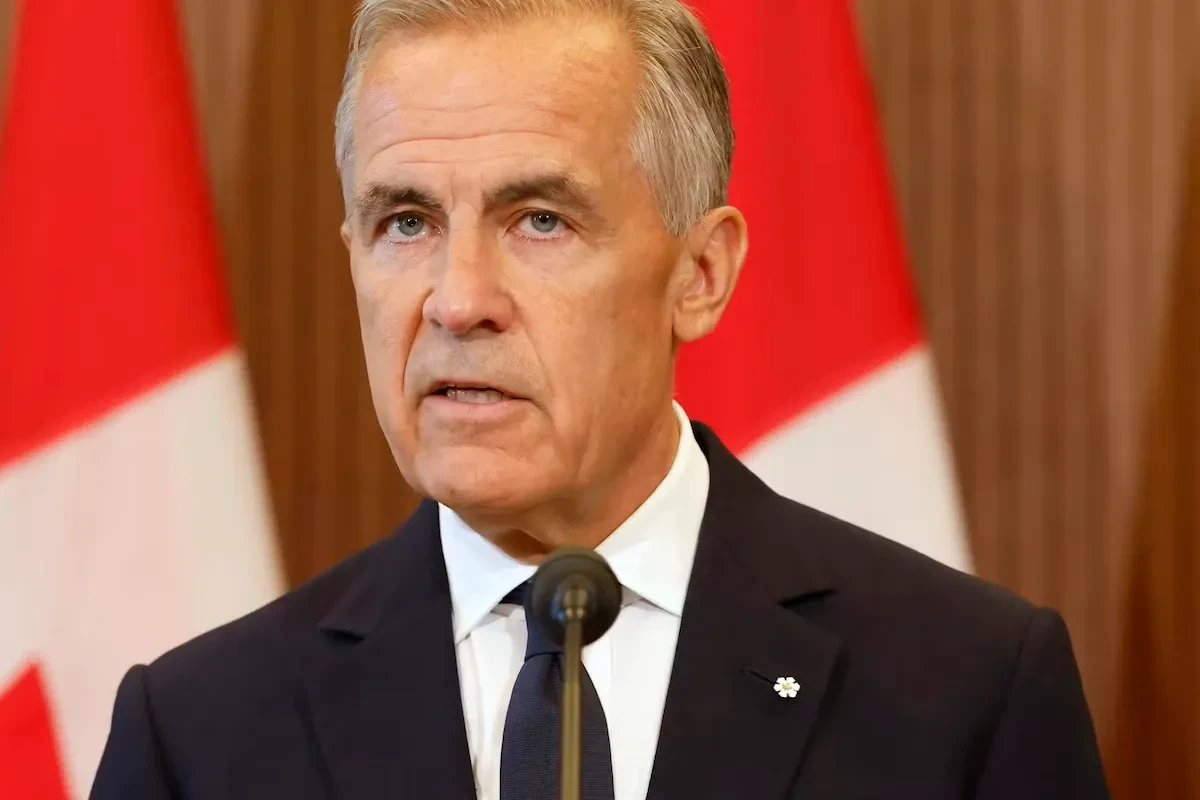
TORONTO — Prime Minister Mark Carney announced a major proposed change to the way some of Canada's busiest airports are operated, saying the federal government will seek private investment through long-term concessions involving Toronto Pearson, Montréal-Trudeau, Vancouver International and Calgary International airports.
The announcement was made Tuesday at the Canada Investment Summit in Toronto, where Carney outlined a broader plan to attract large-scale investment into Canadian infrastructure and other sectors.
The federal government says it would retain ownership of the underlying land and assets. Private capital and expertise would instead be brought into the operation and development of the four airports through long-term concession agreements.
That distinction is important. Carney described the proposal as "concessions, not privatization," while labour organizations including Unifor and the IAM have characterized the proposal as airport privatization and raised concerns about its potential consequences.
Which Airports Are Involved?
The four airports identified by the government are:
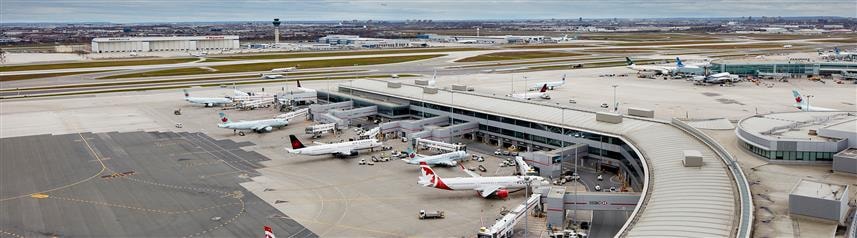
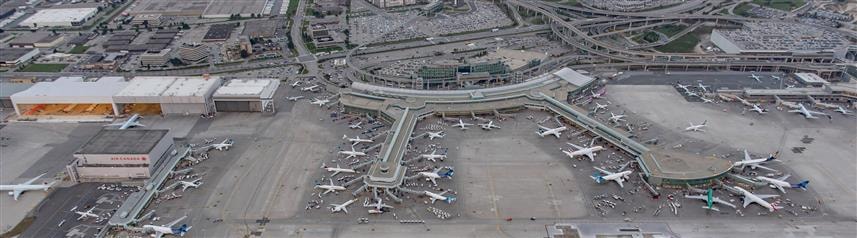
Toronto Pearson International Airport (YYZ) Montréal-Trudeau International Airport (YUL) Vancouver International Airport (YVR) Calgary International Airport (YYC)
These airports are currently operated by not-for-profit airport authorities under long-term arrangements with the federal government. The Canadian Airports Council says the proposed investment model represents a significant change from the locally governed, non-share-capital airport-authority system used for more than three decades.
Ottawa Says It Could Raise Tens of Billions
According to the Prime Minister's Office, Ottawa expects the airport initiative could raise tens of billions of dollars in private capital.
Carney said the federal government intends to reinvest money raised through the airport concessions into infrastructure elsewhere in Canada.
That could include regional airports, local transportation infrastructure and major national projects, including a proposed sovereign broadband backbone. The government also says improving regional and remote air connections and passenger affordability would be objectives.
Carney said Canadian pension funds already invest in airports internationally and argued that similar expertise could be brought into Canada.
Would Ottawa Be Selling Pearson?
Under the plan announced Tuesday, no — at least not in the traditional sense of selling the airport property outright.
The federal government says it intends to continue owning the underlying land and assets.
Instead, private investors could receive long-term rights to participate in operating and developing the airports under concession agreements.
Important details have yet to be finalized publicly, including the length of concessions, the exact financial arrangements, regulatory safeguards and how responsibilities would be divided between existing airport authorities and future private operators.
What Could It Mean for Passengers?
The government argues that bringing additional capital and expertise into the airports could support expansion, modernization and a better passenger experience.
Carney has also suggested that proceeds generated from the large airports could help support more affordable regional and remote air connections.
Critics, however, are questioning whether investors seeking returns could eventually put upward pressure on airport fees and passenger costs.
Those questions cannot yet be answered definitively because the final concession agreements, fee structures and regulatory conditions have not been established.
What Could This Mean for Airport Jobs and Unions?
For thousands of aviation workers, the announcement raises questions about job security, outsourcing, wages, benefits, collective agreements and working conditions.
Unifor's Aviation Council protested the government's airport investment plans this week.
Unifor National President Lana Payne said the union is concerned that greater private involvement could increase outsourcing, contract flipping and precarious employment, which the union argues have already placed pressure on wages, benefits and working conditions within aviation.
The International Association of Machinists and Aerospace Workers (IAM) also responded Tuesday, saying the government has not yet provided specific commitments concerning job security or labour protections.
IAM said it supports investment in airport infrastructure but opposes a model that it believes could prioritize private returns over workers and passengers.
At this stage, however, the government has not announced that airport employees will lose their jobs, nor has it announced specific changes to collective agreements.
The eventual impact on workers will depend heavily on how the concession agreements are structured and what labour protections are included.
Airport Industry Wants More Details
The Canadian Airports Council, representing more than 100 airports, said Tuesday that it wants to better understand the government's proposed model.
The council said affordability, connectivity and continued reinvestment in Canada's airport system should remain central to any changes.
It also noted that Canada's current airport governance system has operated for more than 30 years and said any new approach should strengthen the country's overall aviation network.
Vancouver International Airport CEO Tamara Vrooman said YVR has been engaging with the federal government for months and will continue discussions as the proposal develops.
What Happens Next?
Tuesday's announcement does not mean private companies immediately take over the four airports.
The federal government says it will work with airport authorities and other stakeholders, including airlines and local governments, as it develops the model.
Major unanswered questions include who would be permitted to invest, how long concessions could last, how airport fees would be regulated, what protections would apply to workers, what role existing airport authorities would retain and how much money Ottawa could ultimately raise.
Those details will determine how significant the change ultimately becomes for travellers and Canada's aviation workforce.
For Toronto Pearson in particular, the announcement could eventually represent one of the largest changes to the airport's governance and operating structure since Canada's major airports moved to local airport-authority management.
For now, Pearson and the other three airports remain under their existing structures while Ottawa develops its proposal.
CanJam News will continue following the airport investment plan, including what it could mean for passengers, airport employees, unions and the future operation of Toronto Pearson.
Source & attribution
Reporting by CanJam News. Information in this article is based on publicly available statements and verified reporting available at publication.
Topics

