
USA & World
Iran–U.S. Conflict Deepens as Hormuz Tensions, Oil Prices and Regional Attacks Raise Global Concerns
Tensions between Iran and the United States continue to shake the Middle East, with new developments involving the Strait of Hormuz, rising oil prices, regional attacks and nuclear diplomacy putting governments and markets around the world on alert.
By Dwight Simpson
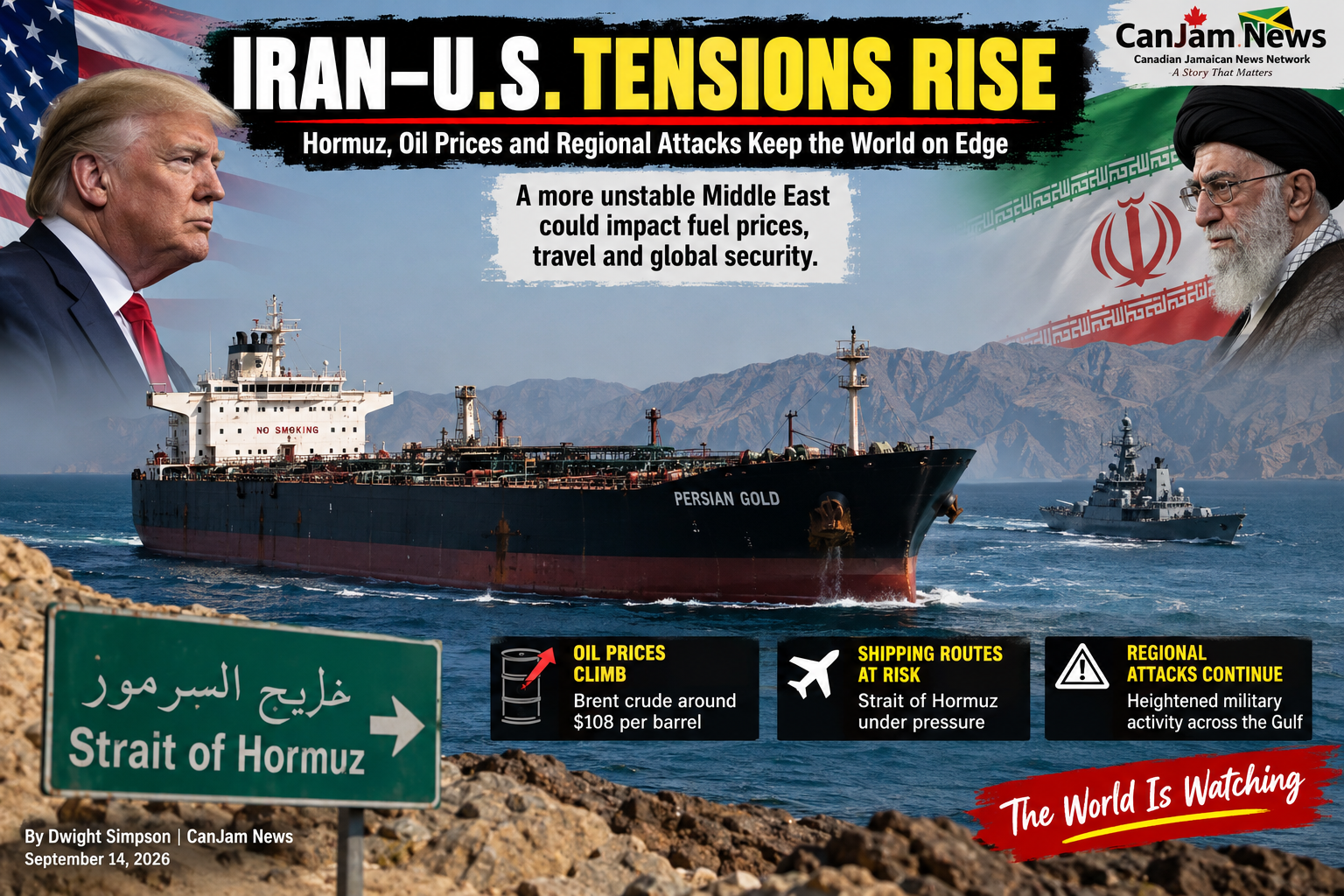
Tensions between Iran and the United States continue to shake the Middle East, with new developments involving the Strait of Hormuz, regional attacks, nuclear diplomacy and rising oil prices putting governments and markets around the world on alert.
The latest developments come as fighting connected to the Iran–U.S. conflict spreads beyond the two countries, placing additional pressure on Gulf nations, international shipping and energy supplies.
One of the biggest concerns remains the Strait of Hormuz, one of the world's most important oil-shipping routes.
Iran's Persian Gulf Strait Authority issued an updated list of vessels subject to restrictions as Tehran continues asserting greater control over shipping through the waterway. At the same time, diplomatic efforts involving Gulf states and Iran suffered another setback after a planned meeting on the Strait of Hormuz was called off.
The situation is being watched closely because any major interruption to shipping through Hormuz can quickly affect fuel prices around the world.
Oil Prices Climb as Attacks Spread
Oil markets reacted sharply to the latest escalation.
Brent crude climbed to roughly $108 per barrel, while oil prices jumped more than four per cent to a 16-week high following attacks affecting Saudi Arabian energy infrastructure and continued uncertainty around shipping in the Gulf.
The impact is extending beyond the Middle East.
Higher oil prices can eventually translate into increased gasoline, diesel, aviation and transportation costs in countries such as Canada and the United States. Businesses that depend heavily on transportation could also face higher operating expenses if prices remain elevated.
A major Saudi oil pipeline was also damaged in a drone attack and is expected to remain largely out of service for several weeks. The pipeline is especially important because it allows Saudi Arabia to move oil toward the Red Sea without relying entirely on the Strait of Hormuz.
U.S. and Saudi Officials Discuss Security
Saudi Crown Prince Mohammed bin Salman has discussed the latest regional developments with the head of U.S. Central Command as Houthi attacks and other regional threats continue to escalate.
The Houthis, who are supported by Iran, have been involved in renewed attacks on Saudi interests and shipping-related infrastructure, adding another layer to an already complicated conflict.
Although the United States has made progress in loosening Iran's control over shipping through the Strait of Hormuz, the conflict remains far from resolved.
Nuclear Tensions Remain High
The military conflict is not the only source of disagreement.
Iran has protested after its nuclear chief, Mohammad Eslami, was prevented from attending an International Atomic Energy Agency meeting in Vienna.
The United States opposed a sanctions exemption that would have allowed Eslami to travel to Austria for the conference. Washington argued that allowing him to attend could be used for political purposes, while Iran accused the United States of interfering with international diplomacy.
The dispute shows that Iran's nuclear program remains a major point of tension even while military hostilities continue.
Trump Responds to China–Iran Report

U.S. President Donald Trump has also played down a report alleging that Iranian forces obtained satellite imagery from Chinese entities before an attack that killed American troops.
Trump was asked whether he intended to raise the issue with Chinese President Xi Jinping but appeared to dismiss the significance of the report.
The allegation adds another international dimension to the conflict, with Washington already closely watching Iran's relationships with China and Russia.
Could Canadians Feel the Impact?
Although the fighting is thousands of kilometres from Canada, Canadians could still feel its effects.
Oil prices influence gasoline, diesel, airline operating costs and the price of transporting goods across the country. A prolonged disruption in the Middle East could therefore contribute to higher prices at the pump and potentially increase the cost of some consumer goods.
Airlines are also continuing to adjust to disruptions caused by the war. Etihad Airways says passenger numbers have begun recovering, but the conflict has already caused significant challenges across the aviation industry.
The situation remains extremely unpredictable.
What began as direct confrontation between Iran and the United States now involves shipping routes, energy infrastructure, Gulf nations and Iran-backed groups across the region.
For the international community, the greatest concern may be whether diplomacy can regain momentum before another major attack pushes the conflict into an even wider regional war.
CanJam News will continue following developments involving Iran, the United States and the Strait of Hormuz as the situation unfolds.
Source & attribution
Reporting by CanJam News. Information in this article is based on publicly available statements and verified reporting available at publication.
Topics

