
USA & World
Nepal Flood Disaster Deepens as Death Toll Passes 1,000 and Thousands Remain Missing
Nepal is facing one of its most devastating natural disasters in recent history as rescue crews search through mud and debris following catastrophic Himalayan flooding. The confirmed death toll has surpassed 1,000, with roughly 4,000 people still missing.
By Dwight Simpson
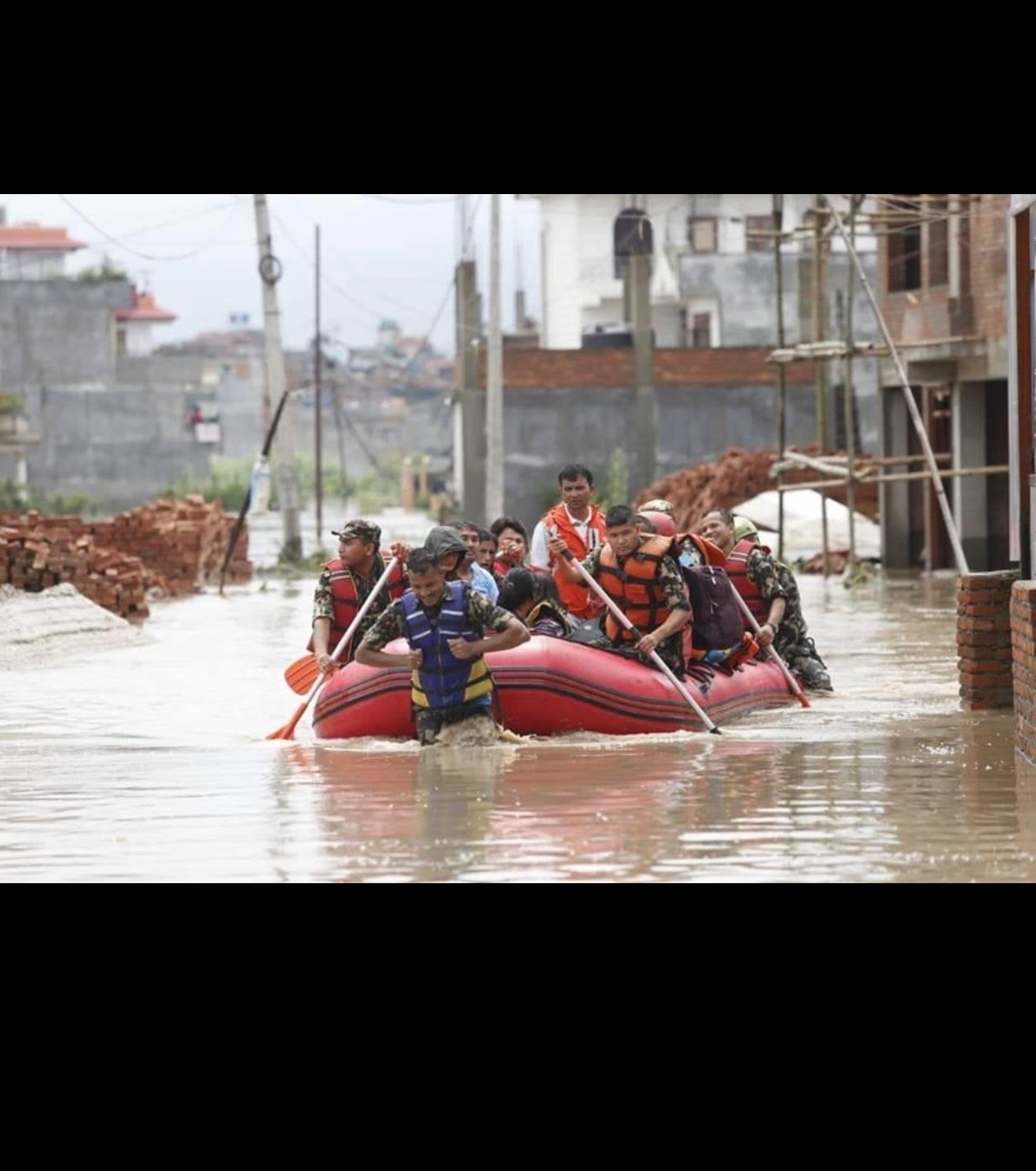
Nepal is facing one of the most devastating natural disasters in its recent history as rescue crews continue searching through mud, destroyed communities and damaged hydropower facilities following catastrophic flooding that struck the Himalayan region last week.
The flooding began on August 26 after a massive collapse involving glacier ice, rock and debris near Nepal's northern border with Tibet sent an enormous surge of water down river valleys. The destructive wave swept through settlements, construction sites, roads, bridges and power facilities before continuing downstream through the Trishuli river system.
By September 1, international reports said the confirmed death toll had surpassed 1,000, while roughly 4,000 people remained missing. The figures continue to change as search teams reach previously inaccessible locations and additional bodies are recovered downstream.
Nepalese government figures reported earlier Tuesday listed 987 confirmed deaths and 3,916 people missing, illustrating how quickly the toll has been changing as recovery operations continue.
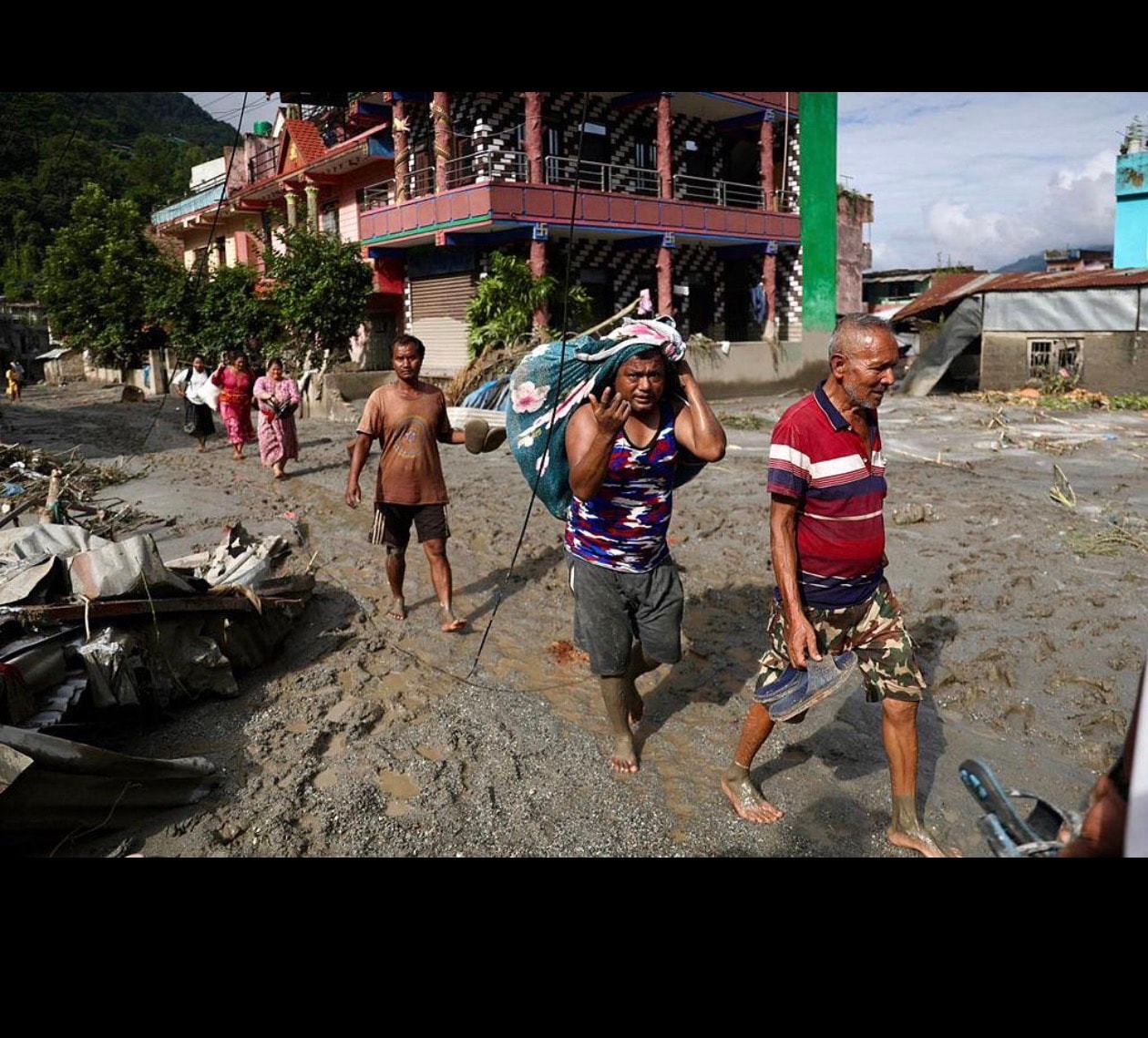
Thousands Rescued, But Search Is Far From Over
More than 11,000 people have been rescued, many by helicopter because roads and bridges leading into some disaster zones have been destroyed or remain buried beneath landslides and debris.
Nepal has deployed thousands of soldiers, police officers and emergency personnel to the affected region. Government figures reported more than 21,000 security personnel involved in rescue and relief operations, while military medical teams have treated thousands of people.
The mountainous terrain is making the operation particularly difficult. Some communities can only be reached from the air, while others remain isolated because roads have disappeared beneath mud or portions of bridges have been washed away.
Helicopters are continuing to evacuate survivors, transport injured people and deliver emergency supplies.
Hundreds of Hydropower Workers Still Missing
One of the most urgent parts of the rescue operation involves Nepal's hydropower industry.
Several major power projects were directly in the path of the flooding, and hundreds of workers remain unaccounted for.
Reuters reported that at least 639 people connected with devastated hydropower stations were believed to remain trapped or missing, with rescue crews focusing heavily on tunnels and underground facilities.
Other Nepalese reporting has placed the overall number of hydropower employees and workers still unaccounted for even higher, at approximately 894 people across affected projects.
The Upper Trishuli-1 project is among the hardest hit. Hundreds of people connected with that project remain missing, while other workers are unaccounted for at the Rasuwagadhi, Langtang Khola and Upper Trishuli-3A hydropower projects.
Rescuers have attempted to enter flooded tunnels, but progress has been extremely slow because passages are filled with water, mud, rocks and debris.
Specialized technical crews from the hydropower companies are now being brought into the operation after the government initially placed rescue work primarily under military command.
Time is becoming increasingly important because anyone surviving inside an underground tunnel would need access to breathable air and water.
Foreign Nationals Among Thousands Missing
The disaster has also become an international crisis.
Approximately 590 foreign nationals from nearly 40 countries have been listed among those missing, according to international reporting.
Nepal is a major destination for trekkers, climbers, tourists and religious pilgrims, particularly during periods of favourable Himalayan weather.
Some people initially reported missing have since been located alive, providing rare moments of good news for families waiting for information.
However, hundreds of foreign families are still seeking confirmation about relatives who were travelling in Nepal or Tibet when the flooding occurred.
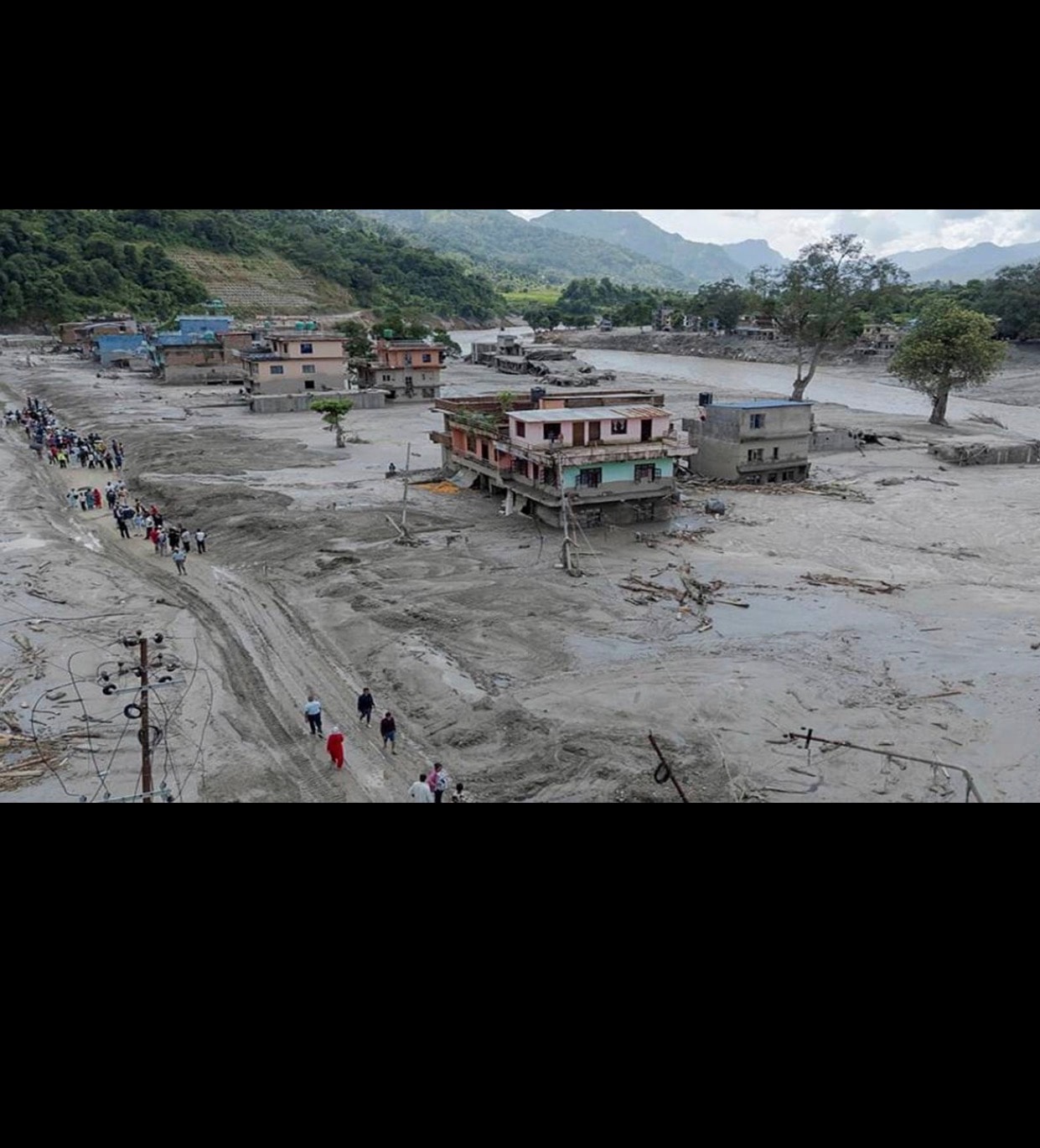
Entire Communities Hit
The destruction extends far beyond the initial flood zone.
Homes and villages were swept away while vehicles, buildings and other structures were carried downstream.
Bodies have been recovered many kilometres from where people originally disappeared.
Nepalese authorities reported particularly high numbers of bodies being recovered in downstream districts including Chitwan, Nawalparasi East and Nawalparasi West, demonstrating how far the floodwaters carried victims and debris.
Emergency workers are also facing the difficult task of identifying victims. In some areas, the number of bodies arriving has overwhelmed local facilities, while authorities and international specialists are using DNA testing to assist with identification.
International Rescue Teams Arriving
Several countries have begun assisting Nepal.
China and India have provided emergency assistance, while South Korea announced it was sending a 44-member disaster relief team to assist with rescue operations.
Specialists, drones, rescue equipment and DNA identification expertise are among the resources being brought into the country.
International financial assistance has also begun arriving as Nepal prepares for what could become a multibillion-dollar reconstruction effort. Reuters reported that more than $42 million in assistance had already been committed or received, while the longer-term rebuilding cost could reach several billion dollars.
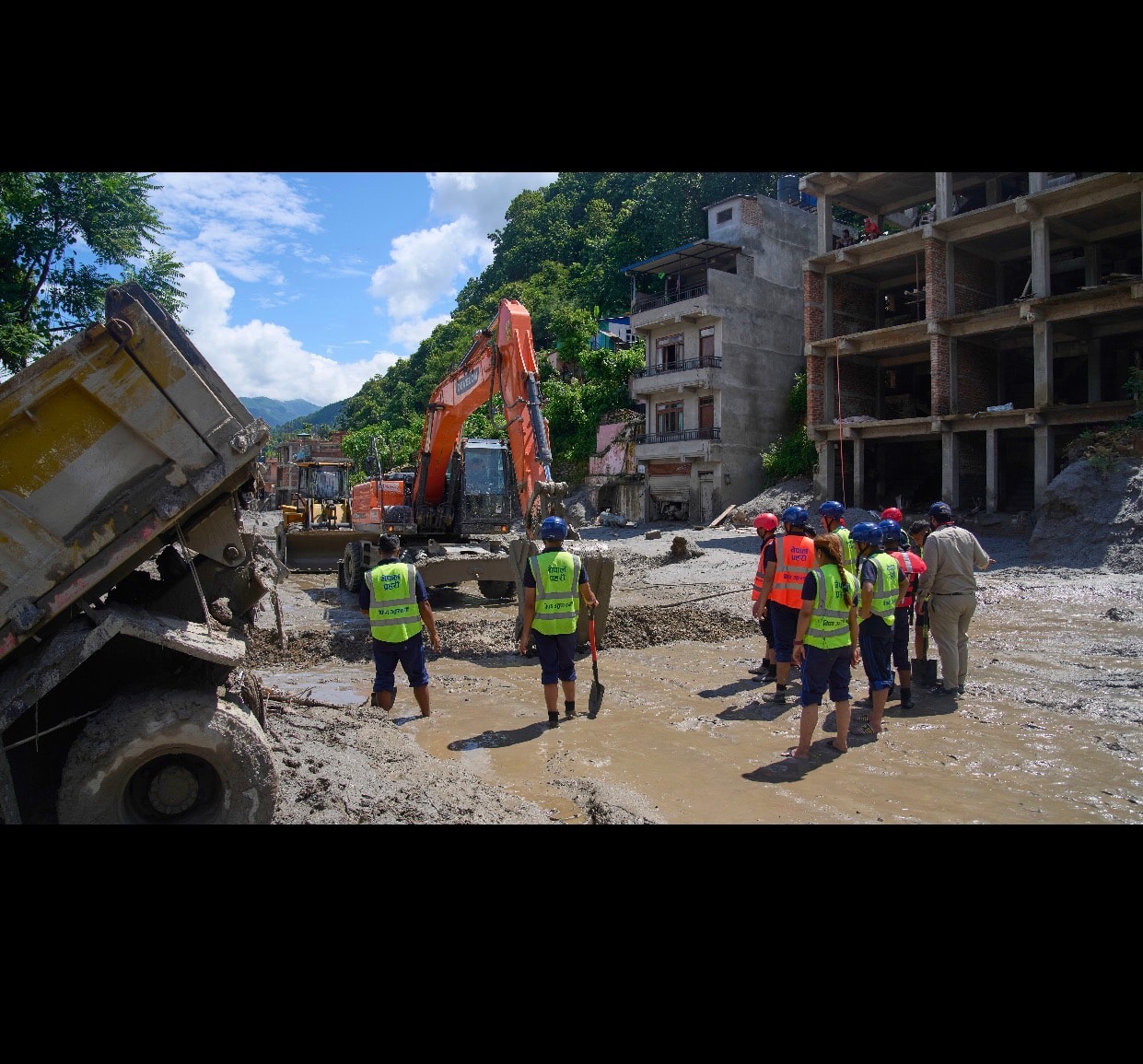
Electricity and Communications Gradually Returning
Flooding severely damaged Nepal's electricity infrastructure, particularly hydropower facilities that form an important part of the country's energy system.
At least 12 hydropower projects representing hundreds of megawatts of generating capacity were affected, according to reports.
Power and telecommunications have gradually been restored in some communities, but many remote locations remain without reliable services.
The damage to roads, bridges, electricity infrastructure and hydropower projects is expected to have long-term economic consequences.
Questions About What Triggered the Disaster
Scientists are examining satellite imagery and geological evidence to better understand exactly what happened.
Early assessments indicate that a massive collapse of ice, rock and mountain material triggered the flood.
The disaster has renewed concerns about increasingly unstable glaciers and mountain slopes across the Himalayas as temperatures rise.
Scientists have warned for years that glacial lakes, melting ice and unstable mountain terrain could create increasingly dangerous flood events throughout Nepal and neighbouring Himalayan regions.
The disaster has also raised questions about whether Nepal and China need stronger cross-border monitoring and earlier warning systems. Nepal had previously sought additional environmental and river information from China to improve its ability to anticipate disasters originating upstream.
A Warning Saved Hundreds of Students
One extraordinary survival story has emerged from the disaster.
At a school in Bidur, administrators received a warning that floodwater was approaching. The school was quickly evacuated.
More than 900 students were moved to safety before floodwaters reached the area, according to Reuters.
The incident demonstrates how even a short warning can save hundreds of lives during a fast-moving disaster.
Families Continue Waiting
For thousands of families, however, there are still no answers.
Relatives have gathered at evacuation centres, hospitals and government offices hoping to learn whether missing family members have been rescued. Others are examining lists of survivors and victims.
As rescue crews move into increasingly remote valleys and begin opening tunnels and buildings buried under debris, authorities expect the casualty figures to continue changing.
The discovery of survivors remains possible, but nearly a week after the flood, conditions are becoming increasingly difficult for anyone who may still be trapped.
Nepal Faces Years of Recovery
Even after the rescue operation ends, Nepal could face years of rebuilding.
Entire sections of transportation and energy infrastructure have been destroyed. Communities will need homes rebuilt, roads reopened, bridges replaced and hydropower facilities repaired or reconstructed.
The disaster may also force authorities to reconsider how infrastructure is designed in areas vulnerable to glacial floods and landslides.
For now, however, the immediate priority remains finding the missing.
With more than 1,000 people reported dead and thousands still unaccounted for, Nepal's flood disaster remains an active humanitarian emergency.
CanJam News will continue monitoring developments from Nepal and provide updates as authorities confirm new casualty figures, rescue survivors and release additional information about those still missing.
Source & attribution
Reporting by CanJam News. Information in this article is based on publicly available statements and verified reporting available at publication.
Topics

