
Canada
25 Years Later: How Canada Stepped Up to Help After 9/11
As the 25th anniversary of September 11 approaches, CanJam News looks back at Operation Yellow Ribbon — the remarkable effort that saw Canada open its airports and communities to tens of thousands of stranded travellers when American airspace suddenly closed.
By Dwight Simpson
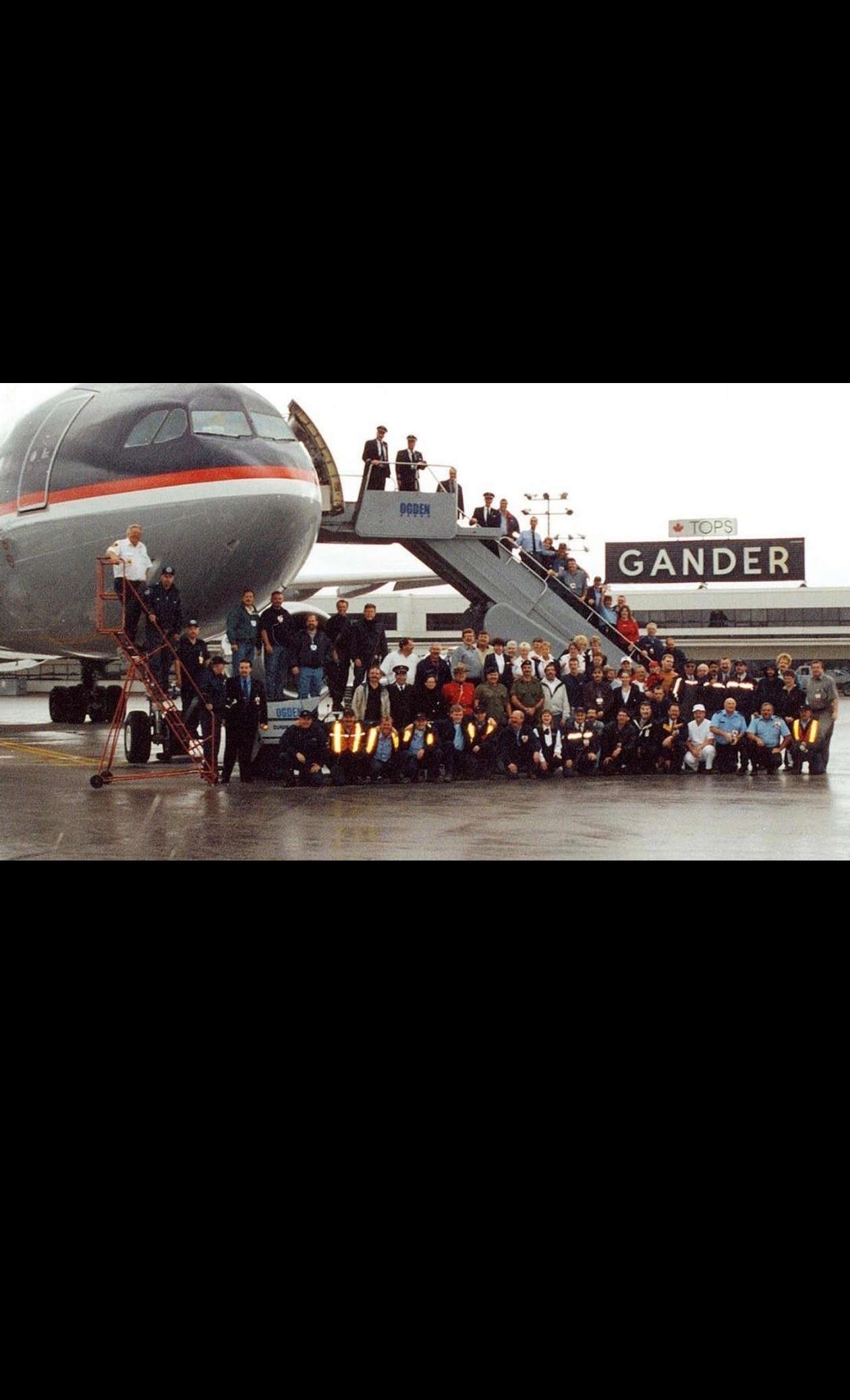
On September 11, 2001, as terrorist attacks unfolded in the United States, American airspace was suddenly closed and hundreds of aircraft already flying toward North America had to be redirected.
Canada stepped in.
What followed became one of the most memorable examples of Canadian cooperation and hospitality during one of the darkest days in modern history.
As part of Operation Yellow Ribbon, Canada accepted hundreds of diverted aircraft carrying tens of thousands of passengers who could no longer enter the United States.
Airports across the country received unexpected flights, including locations in Newfoundland and Labrador, Nova Scotia, New Brunswick, Quebec, Ontario, Manitoba, Alberta and British Columbia.
Gander Became a Symbol of Canadian Kindness
One of the most recognized stories came from Gander, Newfoundland and Labrador, where thousands of stranded passengers suddenly arrived in a relatively small community.
Residents quickly came together to help.
Schools, churches, community centres and other buildings were turned into temporary shelters. Volunteers provided meals, clothing, transportation and places to sleep.
Many passengers had boarded their flights expecting an ordinary journey. Instead, they found themselves stranded in Canada while the world tried to understand what had happened.
For several days, complete strangers lived side by side, and many lasting friendships were formed.
Canada's Aviation System Faced an Unprecedented Crisis
Canadian aviation officials had to react within minutes as aircraft continued approaching North America.
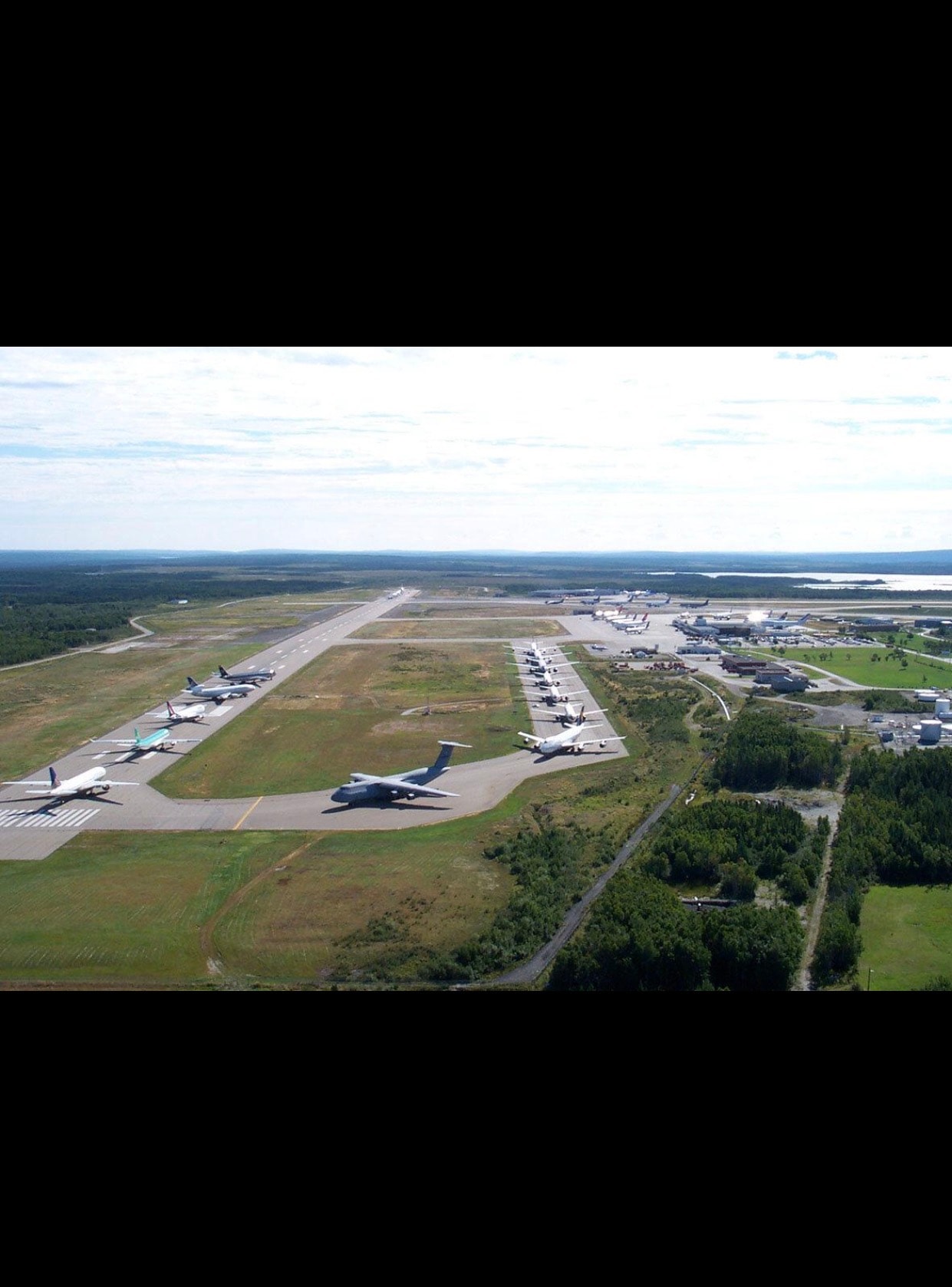
Some flights were instructed to turn back toward Europe, while many others were directed to Canadian airports.
Civilian air traffic across Canada was heavily restricted as officials worked to safely manage the large number of aircraft and passengers.
Airports, emergency workers, military personnel, local governments and volunteers worked together during the crisis.
Canadians Were Also Among the Victims
The attacks killed nearly 3,000 people, including Canadians.
Two hijacked aircraft struck the World Trade Center towers in New York City. Another aircraft struck the Pentagon, while a fourth crashed in Pennsylvania after passengers and crew attempted to regain control.
The attacks changed aviation security, international relations and everyday life across North America.
Communities Across Canada Opened Their Doors
Although Gander became internationally known for its response, it was not the only Canadian community that helped.
Airports and communities across the country welcomed passengers who had suddenly been diverted.
People donated food, clothing, blankets and other supplies. Families and volunteers offered whatever assistance they could.
For many stranded travellers, Canada became an unexpected place of safety during an uncertain and frightening time.
Twenty-Five Years Later
As the 25th anniversary of September 11 approaches, the attacks remain remembered primarily for the lives lost and the enormous impact they had around the world.
But Canada's response also remains an important part of that history.
When American airspace closed, Canada helped provide somewhere safe for thousands of people to land.
When travellers suddenly found themselves stranded far from home, Canadian communities opened their doors.
And during a day remembered for fear and tragedy, ordinary Canadians showed how compassion, cooperation and kindness could also leave a lasting mark on history.
Source & attribution
Reporting by CanJam News. Information in this article is based on publicly available statements and verified reporting available at publication.
Topics

